
Table of Contents
Understanding Your Leather Juttis
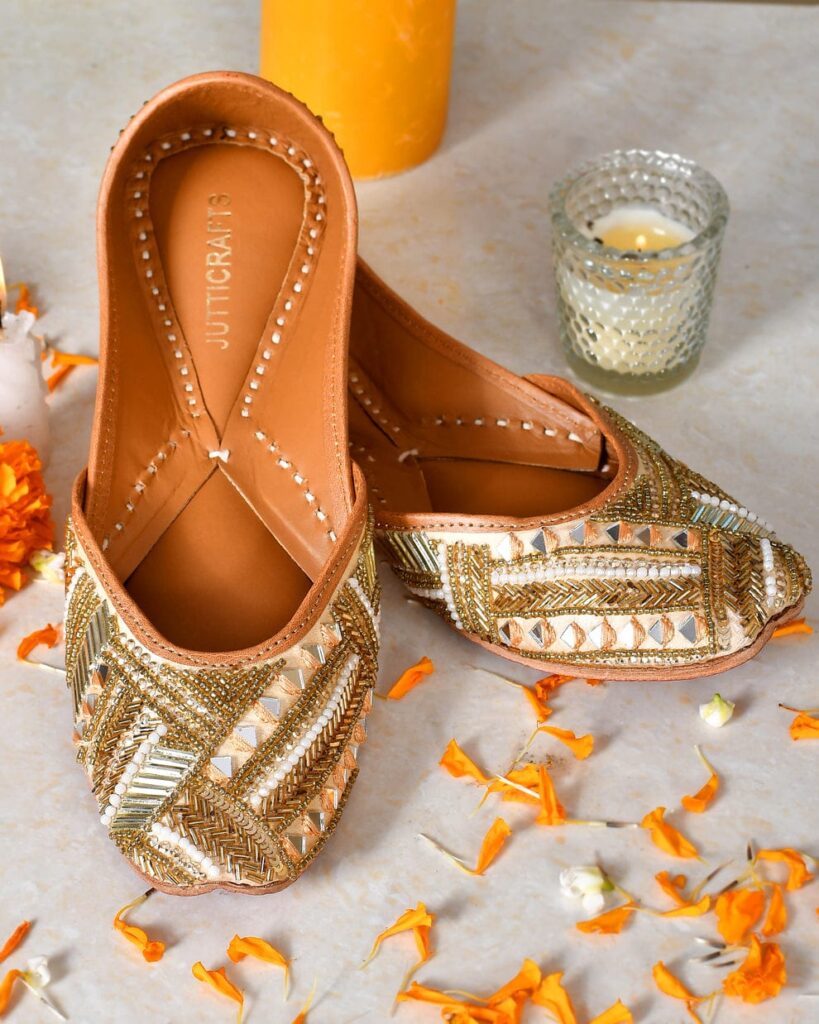
Leather juttis represent centuries of craftsmanship and tradition. These ethnic footwear pieces deserve specialized attention. Proper care preserves their beauty and extends their lifespan significantly. This guide explores comprehensive maintenance strategies for leather juttis. We focus on practical, effective methods for 2025. Your investment in handcrafted leather warrants proper preservation techniques.
Understanding materials is the first step in quality care for leather juttis. Traditional artisans use various leather types. Each requires specific maintenance approaches. Vegetable-tanned leather behaves differently than chrome-tanned varieties. The embroidery and embellishments add complexity to care routines. Modern ethnic footwear blends traditional and contemporary elements. This creates unique maintenance challenges and opportunities.
Global interest in sustainable fashion grows yearly. Proper care for leather juttis supports this movement. Well-maintained shoes last for years, not seasons. This reduces fashion waste significantly. The 2025 perspective emphasizes eco-friendly maintenance products. We explore natural alternatives to chemical cleaners. These methods protect both your footwear and the environment.
The Foundations of Care for Leather Juttis
Proper care for leather juttis begins with fundamental knowledge. Leather is a natural, porous material. It breathes and responds to environmental conditions. Understanding this behavior is crucial for effective maintenance. Handcrafted leather possesses unique characteristics from mass-produced alternatives. The artisan touches create variations in texture and density. These individual features require personalized attention in your care routine.
Ethnic footwear maintenance differs from regular shoe care. The intricate designs demand gentle, precise methods. Embroidery threads, beads, and metallic elements need special consideration. A one-size-fits-all approach damages these delicate features. This guide provides tailored solutions for every component of your juttis. We address both common issues and preventive measures.
Regular maintenance prevents most leather problems. Proactive care is always easier than restoration. Simple habits preserve your juttis’ original beauty. We outline daily, weekly, and seasonal routines. These structured approaches ensure comprehensive protection. Your handcrafted leather deserves consistent, appropriate attention. This investment pays dividends in longevity and appearance.
Daily Maintenance Routines: Care for Leather Juttis
Daily care for leather juttis involves simple but crucial steps. These habits prevent accumulation of damaging elements. Begin with gentle dust removal after each wear. Use a soft-bristled brush designed for delicate materials. Brush in the direction of the leather grain. This prevents scratches on the surface. Avoid vigorous rubbing that might damage embroidery.
Address moisture exposure immediately. Leather juttis should never air dry naturally after getting wet. Blot excess moisture with a clean, absorbent cloth. Use gentle pressing motions rather than rubbing. Stuff the juttis with acid-free paper to maintain shape during drying. Keep them away from direct heat sources. Radiators and hairdryers cause leather to crack and shrink.
Rotate your ethnic footwear regularly. Avoid wearing the same pair consecutively. Leather needs time to recover between wears. This prevents excessive moisture buildup inside the shoe. It also allows natural oils to redistribute throughout the material. Rotation significantly extends the life of handcrafted leather products. Maintain a collection of at least three pairs for effective rotation.
Weekly Cleaning Techniques: Care for Leather Juttis
Weekly cleaning provides deeper care for leather juttis. Begin with a thorough visual inspection. Check for loose threads, missing embellishments, or stains. Address issues immediately before they worsen. Use a specialized leather cleaner for general cleaning. Test any product on an inconspicuous area first. This prevents unexpected damage to visible surfaces.
Create a homemade cleaning solution for regular maintenance. Mix equal parts white vinegar and water. Dampen a microfiber cloth with this solution. Wipe the leather surface gently. This removes surface dirt without harsh chemicals. The vinegar’s acidity helps maintain leather’s natural pH balance. Dry thoroughly with a separate clean cloth after cleaning.
Focus special attention on embroidered areas. Use a soft toothbrush for intricate needlework. Gently brush along the embroidery patterns. This removes embedded dust from hard-to-reach spaces. Avoid excessive moisture around threads. Colored threads might bleed if oversaturated. Work methodically from one area to the next. This ensures comprehensive cleaning without repetition.
Conditioning and Nourishing Care for Leather Juttis
Regular conditioning is essential care for leather juttis. Leather naturally loses oils over time. Conditioning replenishes these essential nutrients. Choose conditioners specifically formulated for delicate leathers. Avoid products containing petroleum or silicone. These can damage handcrafted leather over extended use. Test conditioners on small areas before full application.
Apply conditioner sparingly to clean, dry leather. Use a soft cloth or your fingertips for application. Work the product into the leather using circular motions. Pay extra attention to areas showing dryness or cracking. Allow the conditioner to absorb completely. This usually takes several hours. Buff gently with a clean cloth after absorption. This removes excess product and restores shine.
Frequency of conditioning depends on climate and wear patterns. In dry climates, condition leather juttis monthly. Humid environments may require less frequent conditioning. Monitor your ethnic footwear for signs of dryness. The leather will feel stiff and look dull when undernourished. Regular conditioning maintains suppleness and prevents cracking. This is particularly important for frequently worn pairs.
Storage Solutions for Longevity
Proper storage represents crucial care for leather juttis. Incorrect storage causes more damage than regular wear. Always store handcrafted leather in climate-controlled environments. Extreme temperatures and humidity fluctuations harm leather structure. Maintain consistent temperature and humidity levels whenever possible.
Use breathable storage containers for ethnic footwear. Fabric bags allow air circulation while preventing dust accumulation. Avoid plastic containers that trap moisture. This creates ideal conditions for mold growth. If using boxes, ensure they have ventilation holes. Line containers with acid-free tissue paper. This provides additional protection against environmental elements.
Stuff juttis properly before storage. Use acid-free paper or fabric forms. This maintains the shoe’s original shape during storage periods. Avoid newspaper because ink can transfer to leather. Change stuffing materials periodically to ensure freshness. Position stored juttis away from direct sunlight. UV radiation causes fading and leather degradation over time.
Seasonal Care Transitions: Care for Leather Juttis
Seasonal changes require adjusted care for leather juttis. Transition routines prepare footwear for changing conditions. Before storing seasonal pairs, conduct thorough cleaning and conditioning. Address any maintenance needs before extended storage. This prevents issues from worsening during inactive periods.
Summer care focuses on moisture and heat protection. Leather juttis face sweat, rain, and humidity challenges. Use moisture-wicking insoles during humid months. These protect interior leather from excessive moisture. Apply waterproofing sprays designed for delicate leathers. Reapply according to product instructions throughout the season.
Winter maintenance addresses cold and salt damage. Road salt creates white stains on leather surfaces. Clean salt residue immediately with vinegar solution. Apply protective balms before winter wear. These create barriers against moisture and salt. Store juttis at room temperature after cold exposure. Never place cold leather near direct heat sources.
Stain Removal Strategies
Stain management forms part of essential care for leather juttis. Different stains require specific treatment approaches. Always act quickly when spills occur. Blot liquids immediately with absorbent cloths. Avoid rubbing, which spreads stains deeper into leather. For water-based stains, use distilled water for cleaning.
Oil and grease stains need specialized treatment. Sprinkle cornstarch or talcum powder on fresh oil stains. Let it absorb the oil overnight. Brush away gently in the morning. Repeat if necessary. For set-in oil stains, use specialized leather degreasers. Apply according to product instructions carefully.
Ink stains present particular challenges for ethnic footwear. Use rubbing alcohol on cotton swabs for spot treatment. Dab gently without spreading the stain. Commercial leather ink removers offer stronger solutions. Test all products on hidden areas first. Some colored leathers might react unpredictably to certain chemicals.
Repair and Restoration Techniques
Professional repair extends the life of leather juttis significantly. Recognize when to seek expert assistance. Loose embroidery requires skilled needlework for proper restoration. Professional artisans match thread colors and techniques accurately. Attempting repairs yourself might cause additional damage to handcrafted leather.
Sole repair maintains structural integrity of ethnic footwear. Worn soles affect both comfort and appearance. Cobbler services replace soles while preserving original uppers. Choose materials matching the original construction. Leather soles provide authentic restoration for traditional juttis. Modern alternatives offer enhanced durability for regular wear.
Color restoration revitalizes faded leather juttis. Professional recoloring matches original hues precisely. This process requires specialized dyes and application techniques. Home dye kits rarely achieve professional results. Consider restoration when color fading affects appearance significantly. This service often includes conditioning for complete rejuvenation.
Embellishment and Embroidery Care
Specialized care for leather juttis must address decorative elements. Embroidery requires gentle, precise maintenance methods. Regular dusting prevents dirt accumulation in threadwork. Use soft brushes designed for delicate textiles. Brush along the direction of embroidery patterns. This preserves thread integrity and prevents snagging.
Metallic thread and zari work need particular attention. These materials tarnish with exposure to moisture and air. Store juttis with metallic elements in airtight containers with silica packets. Clean with dry methods whenever possible. Avoid liquid cleaners that accelerate tarnishing processes. Professional polishing restores shine when tarnishing occurs.
Bead and sequin embellishments demand careful handling. Check regularly for loose attachments. Secure loose elements immediately to prevent loss. Clean around embellishments with cotton swabs. Avoid getting moisture underneath beads and sequins. This prevents adhesive breakdown and metal reactions with leather.
Travel Care Protocols
Travel presents unique challenges for leather jutti care. Preparation prevents damage during transportation. Pack juttis in separate shoe bags within your luggage. This protects them from compression and scuffing. Use shoe trees or stuffing to maintain shape during travel. Avoid packing in checked luggage when possible.
Create a travel care kit for ethnic footwear maintenance. Include microfiber cloths, leather wipes, and small brushes. Portable options allow care while away from home. Address stains and moisture immediately during trips. Delayed treatment makes stain removal more difficult upon return.
Climate adaptation is crucial during travel. Leather adjusts slowly to new environments. Allow acclimatization time before wearing juttis in different climates. Sudden changes in temperature or humidity stress leather fibers. Gradual adaptation prevents cracking and other damage during travel periods.
Eco-Friendly Care Innovations
Sustainable care for leather juttis aligns with 2025 values. Eco-friendly products reduce environmental impact significantly. Natural leather conditioners utilize plant-based ingredients. Beeswax, coconut oil, and olive oil provide effective nourishment. These alternatives avoid chemical residues on handcrafted leather.
Biodegradable cleaners offer effective stain removal. Citrus-based solutions break down organic stains naturally. They’re gentle on both leather and embroidery threads. These products maintain ethnic footwear without toxic residues. They’re safer for home use and disposal than traditional chemical cleaners.
Upcycling represents innovative care for leather juttis. Transform worn juttis into new functional items. Creative repurposing extends material life beyond footwear use. Artisans can incorporate leather elements into accessories or home decor. This approach honors the craftsmanship while reducing waste.
Preventive Protection Measures
Preventive strategies form the foundation of effective care for leather juttis. Protective sprays create invisible barriers against elements. Choose products specifically formulated for delicate leathers. Apply evenly before first wear and reapply periodically. This prevents stains from setting into leather pores.
Use shoe horns when putting on leather juttis. This prevents crushing of heel counters. Broken-down heels are difficult to restore properly. Shoe horns preserve the structural integrity of ethnic footwear. They’re particularly important for slip-on styles without fastenings.
Avoid wearing handcrafted leather in inappropriate conditions. Rough terrain, construction sites, and wet environments accelerate wear. Reserve your finest juttis for appropriate occasions. Have alternative footwear for challenging conditions. This simple practice significantly extends the life of delicate leather goods.
Professional Care Services
Professional services complement home care for leather juttis. Regular professional cleaning addresses deep-seated issues. Experts use specialized equipment and solutions unavailable to consumers. They understand the unique requirements of ethnic footwear maintenance. Schedule professional cleaning annually for frequently worn pairs.
Restoration specialists revive severely damaged leather juttis. These services can address issues beyond home repair capabilities. Color matching, structural reinforcement, and complete refurbishment are available. Research specialists with experience in traditional footwear. Their expertise preserves the authenticity of handcrafted leather pieces.
Customization services enhance existing leather juttis. Add protective soles for increased durability. Install comfortable insoles for all-day wearability. These modifications extend functional life while maintaining original appearance. Professionals ensure modifications don’t compromise structural integrity or aesthetic value.
Documentation and Care Logs

Maintain records of care for leather juttis. Document cleaning, conditioning, and repair activities. Note dates and products used for each maintenance session. This tracking helps identify effective routines and products. It also reminds you of maintenance schedules for multiple pairs.
Photographic documentation tracks condition changes over time. Take clear images before and after significant care activities. These records help assess the effectiveness of different methods. They’re also valuable for insurance purposes if you collect valuable ethnic footwear.
Create personalized care schedules for each pair. Different materials and construction methods require varied attention. Handcrafted leather pieces have individual characteristics. Tailored care approaches yield the best preservation results. Digital or physical logs organize this information effectively.
Common Mistakes to Avoid
Understanding errors prevents damage to leather juttis. Never use household cleaners on handcrafted leather. These products contain chemicals that degrade leather fibers. Stick to products specifically designed for leather care.
Avoid excessive product application during care for leather juttis. Too much conditioner creates sticky residues. Oversaturation damages embroidery threads and adhesives. Follow product instructions precisely for best results.
Don’t store ethnic footwear in plastic bags long-term. Trapped moisture encourages mold growth. Leather needs to breathe even during storage periods. Choose breathable storage solutions instead.
Never dry leather juttis with direct heat. Heat sources cause shrinking, cracking, and distortion. Allow natural, gradual drying at room temperature. Patience preserves leather integrity during drying processes.
The 2025 Care Toolkit
Modern care for leather juttis utilizes advanced tools and products. Microfiber cloths have become essential for gentle cleaning. Their fine fibers remove dirt without scratching delicate surfaces. Different colors prevent cross-contamination during cleaning processes.
Natural bristle brushes designed specifically for leather maintenance. These tools distribute conditioners evenly across surfaces. They also remove embedded dirt from grain patterns gently. Quality brushes last for years with proper cleaning after use.
pH-balanced leather cleaners maintain material health. These products clean without stripping natural oils. They’re specifically formulated for delicate, handcrafted leather varieties. Modern formulations include protective elements alongside cleaning agents.
Digital hygrometers monitor storage environment conditions. These devices measure humidity levels accurately. Maintaining ideal humidity (40-50%) prevents leather damage. Smart sensors can alert you to problematic environmental changes.
Long-Term Preservation Strategies
Heritage preservation requires specialized care for leather juttis. Museum-quality techniques protect valuable antique pieces. Controlled environments with stable temperature and humidity are essential. UV-filtered display cases prevent light damage to colors and materials.
Professional conservation addresses aging processes in ethnic footwear. Experts use archival materials for storage and display. These materials don’t interact chemically with leather components. They’re designed for centuries-long preservation of cultural artifacts.
Documentation of provenance adds value to preserved pieces. Record history, artisan information, and previous care practices. This information assists future conservation efforts. It also enhances cultural appreciation of handcrafted leather traditions.
Rotation systems for display prevent permanent deformation. Even display conditions cause gradual changes to leather structure. Regular rotation distributes these effects evenly. This maintains original shape and appearance over extended periods.
Conclusion: Commitment to Craftsmanship
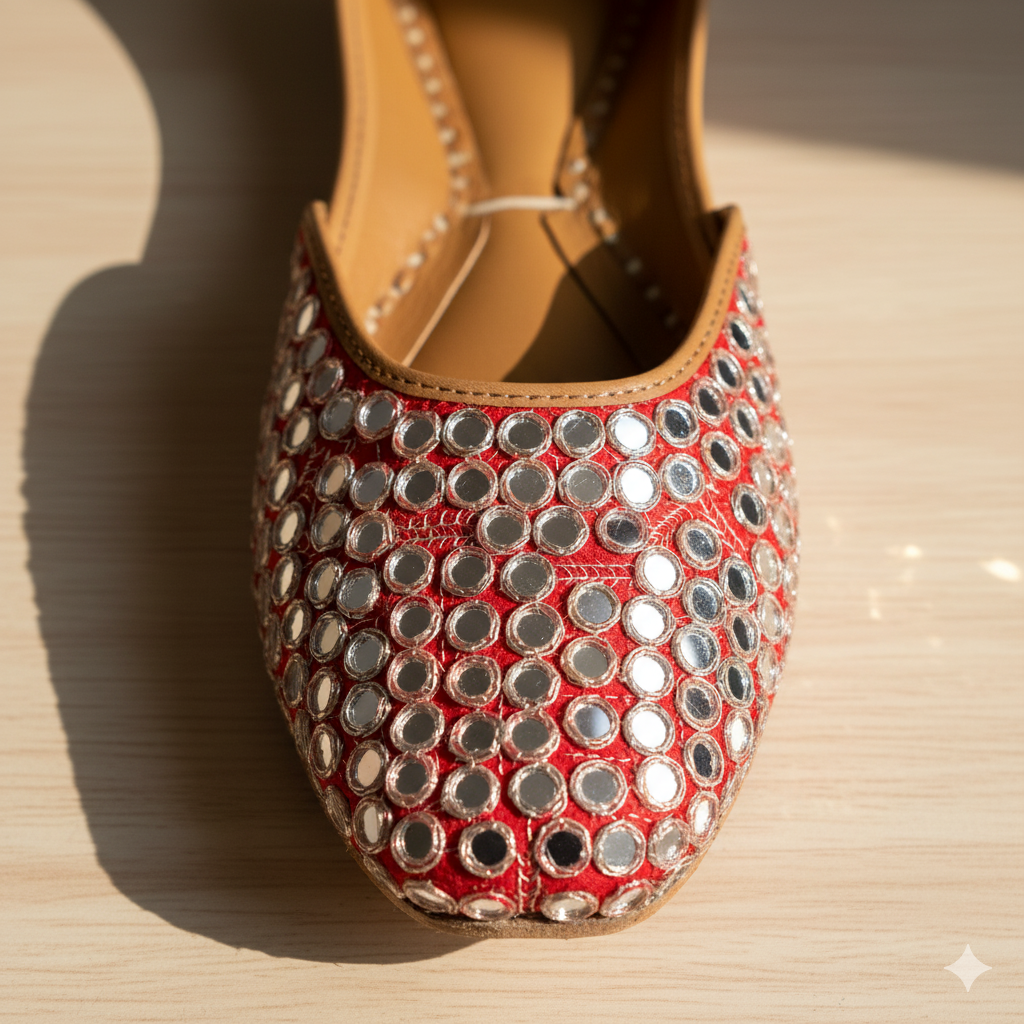
Proper care for leather juttis honors artisan craftsmanship. Each pair represents hours of skilled labor and cultural tradition. Your maintenance efforts preserve these values for future enjoyment. The techniques outlined here ensure your ethnic footwear remains beautiful and functional.
Handcrafted leather responds positively to consistent, appropriate care. Regular attention prevents most damage before it occurs. This proactive approach saves time, money, and preservation effort. Your leather juttis will reward this dedication with years of service.
The 2025 perspective emphasizes sustainable, effective methods. Modern products and traditional wisdom combine for optimal results. This comprehensive guide addresses every aspect of leather jutti maintenance. From daily routines to professional services, each element contributes to preservation.
Your commitment to proper care extends the life of cultural artifacts. Each well-maintained pair continues to tell its story. The beauty of ethnic footwear deserves this level of attention. Implement these strategies to enjoy your leather juttis for decades to come.
Pingback: 5 Proven Reasons to Choose Leather Juttis Over Synthetic Footwear - jutticrafts.online